
It doesn’t matter what the asset is that you are maintaining, one of the most important aspects of an inspection process is the recording of information. Important information needed is the specific serial number of the asset, date of inspection, the condition of the item, as well as who performed the inspection
Related Posts
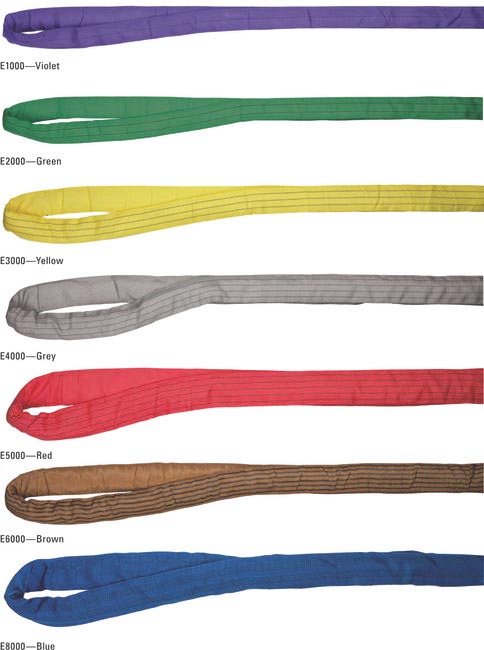
Periodic Inspections – Synthetic Slings
Synthetic Slings are required to have a periodic inspection at intervals of service of not more than three months. The slings... read more

TERMINOLOGY – Wire Rope
Minimum Breaking Force (MBF) - MBF is the minimum load or force, specified by the manufacturer, at which the wire... read more
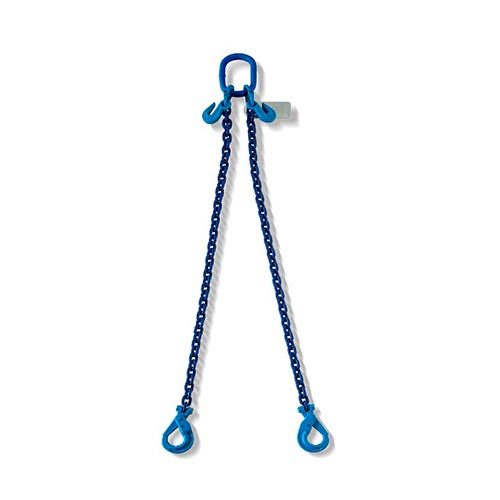
CHAIN SLINGS – Inspection Frequency
Chain Sings – Inspection Frequency
The latest revision to AS3775 provides a guide on how often periodic inspections should take place.
Your... read more
LIFTING EQUIPMENT TAGS
All assets must have traceability throughout their lifecycle. If a lifting sling has lost its tag and a permanent method... read more
WIRE ROPE – Installing under load
WIRE ROPE – Installing under load
To achieve perfect multiple layer spooling of the rope on the drum it is important... read more
LOAD RESTRAINT- The Golden Rule: Minimum Horizontal Restraint Required
LOAD RESTRAINT – The Golden Rule: Minimum Horizontal Restraint Required
Restraint against forward movement = 80% of the load
Restraint... read more
CHAIN SLINGS – Reeved and Basket Slings
Chain Slings – Reeved and Basket Slings
The maximum angle for use on multi leg slings when using in a reeved... read more
HEIGHT SAFETY – Term of life
Height Safety – Term of Life
Under AS/NZS1891.1 – harnesses and lanyards have a maximum of a 10 year lifespan.
Inspection periods... read more
LOAD RESTRAINT – Responsibilities
LOAD RESTRAINT – Responsibilities
It is the responsibility of the owner, the driver and the person in charge of loading,... read more