FAQs

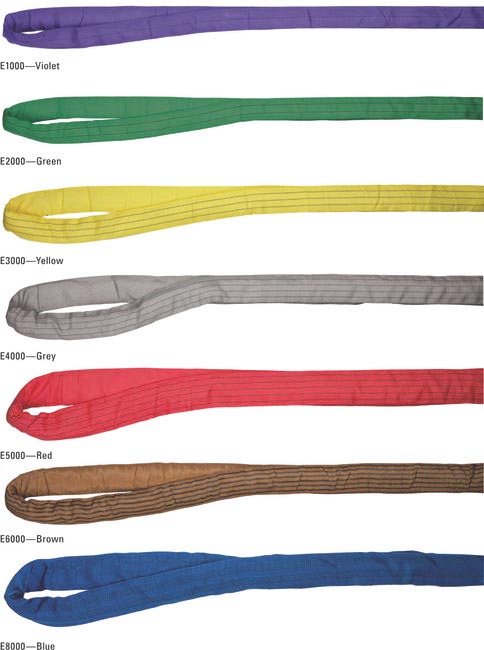
Periodic Inspections – Synthetic Slings

Synthetic Slings are required to have a periodic inspection at intervals of service of not more than three months.  The slings shall be inspected by a competent person.  For heavily used slings the inspections should be more frequent. A record of every periodic inspection including all details shall be...

TERMINOLOGY – Wire Rope

Minimum Breaking Force (MBF) - MBF is the minimum load or force, specified by the manufacturer, at which the wire rope will break.  This is the figure which should be used when choosing the right wire rope for your application Working Load Limit (WLL) - The...

LIFTING EQUIPMENT TAGS

All assets must have traceability throughout their lifecycle.  If a lifting sling has lost its tag and a permanent method of identification is not evident, then the item should be withdrawn from service.   See LiftQuip...

INSPECTION – Lifting & Height Safety Equipment

It doesn't matter what the asset is that you are maintaining, one of the most important aspects of an inspection process is the recording of information.  Important information needed is the specific serial number of the asset, date of inspection, the condition of the item,...

HEIGHT SAFETY – Term of life

Height Safety – Term of Life   Under AS/NZS1891.1 – harnesses and lanyards have a maximum of a 10 year lifespan. Inspection periods of harnesses and lanyards cannot exceed 6 months.

CHAIN SLINGS – Reeved and Basket Slings

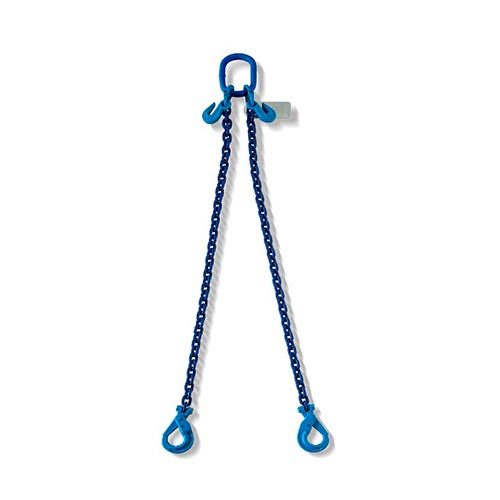
Chain Slings – Reeved and Basket Slings   The maximum angle for use on multi leg slings when using in a reeved or basket configuration is 60 degrees. This change is a reduction from the previously allowed maximum of 120 degrees.

CHAIN SLINGS – Inspection Frequency

Chain Sings – Inspection Frequency   The latest revision to AS3775 provides a guide on how often periodic inspections should take place. Your duty of care is that you shall have an inspection program in place which takes into account the particular circumstances of use.

WIRE ROPE – Installing under load

WIRE ROPE – Installing under load To achieve perfect multiple layer spooling of the rope on the drum it is important to put tension on the rope during the installation It is critical that the first layers are under tension. If they are too loose, top layers...

LOAD RESTRAINT- The Golden Rule: Minimum Horizontal Restraint Required

LOAD RESTRAINT – The Golden Rule: Minimum Horizontal Restraint Required Restraint against forward movement = 80% of the load Restraint against sideways movement (Left) = 50% of the load Restraint against sideways movement (Right) = 50% of the load Restraint against rearward movement = 50%...

LOAD RESTRAINT – Responsibilities

LOAD RESTRAINT – Responsibilities It is the responsibility of the owner, the driver and the person in charge of loading, to ensure that the vehicle’s load restraint structure, attachments and load restraint equipment are suitable for the application and are serviceable and functional It is...